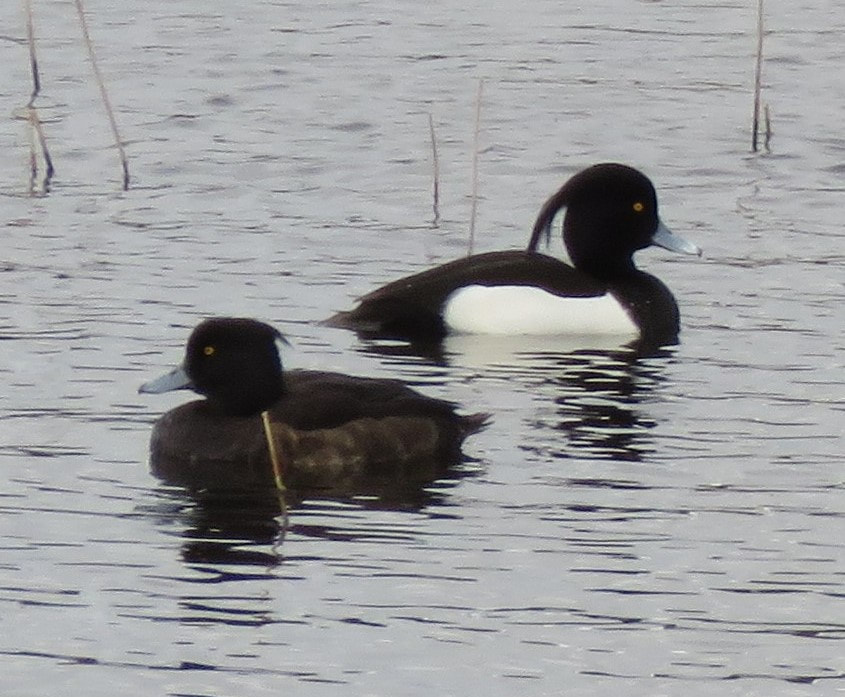
Tufted duck There are rafts of tufted ducks, predominantly males with black and white plumage and a panache, a long crest of dark feathers present in the breeding season. The female has a blue bill and a hint of a crest, her plumage is dark brown.
|
|
I'm a Nature writer, that's not just what I do, it is who I am.
Field-craft is about looking, listening, and interpreting habit and habitat. Nature is full of surprises and there's always more to discover..
Reflecting on the day, editing images, I seek to distil the essence of the experience, to recreate the thrill and immediacy.
Each blog is a journal, on the day and of the day. Complete in itself, each is a
piece in a mosaic, a variation on a theme in the dynamic of Nature.
To explore
SEARCH (top right) enter name of bird, butterfly or plant, topic or location.
ARCHIVE (dates right of page) to locate seasonal highlights. For instance, click on August and September 2025. A sequence from Sizergh tells of painted ladies and humming-bird hawk moth from Africa. Red admiral feast on fermenting damsons.
Blogs are best read on a computer or laptop as phones may change layout
Tufted duck The days grow longer and tomorrow is the first day of spring. Birds are resplendent in breeding plumage. Males show in bold, bright colour with females less colourful but with intricate plumage pattern. When courting birds swim together and roost close to each other that's an opportunity to identify females. There are rafts of tufted ducks, predominantly males with black and white plumage and a panache, a long crest of dark feathers present in the breeding season. The female has a blue bill and a hint of a crest, her plumage is dark brown.
0 Comments
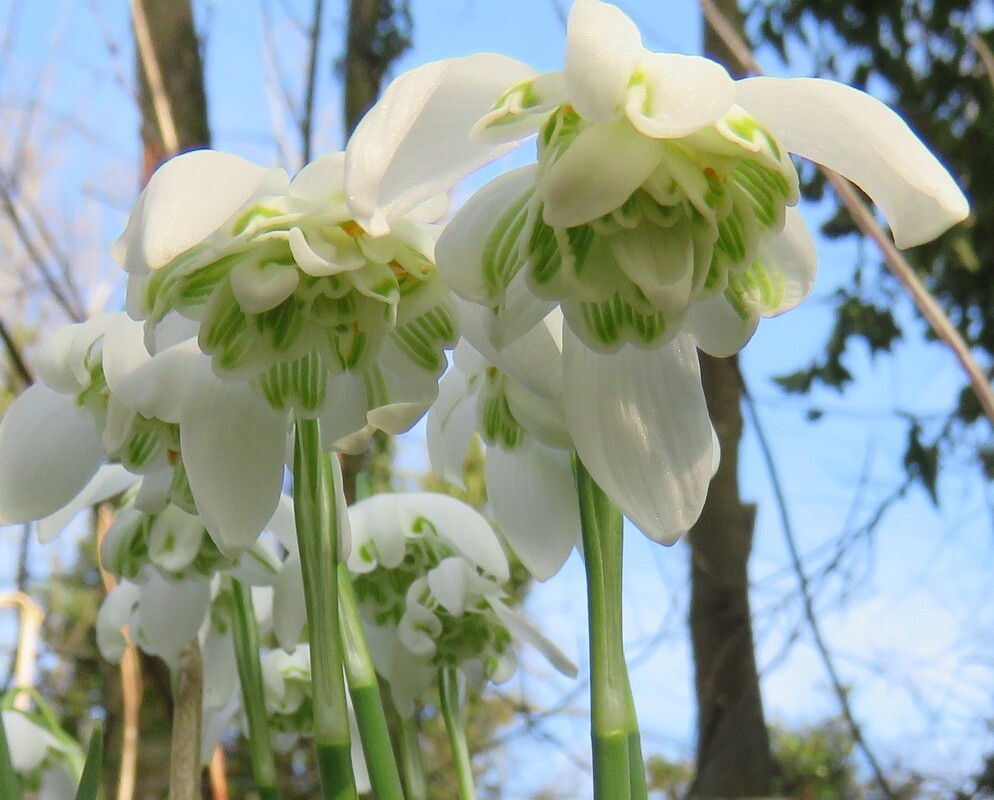
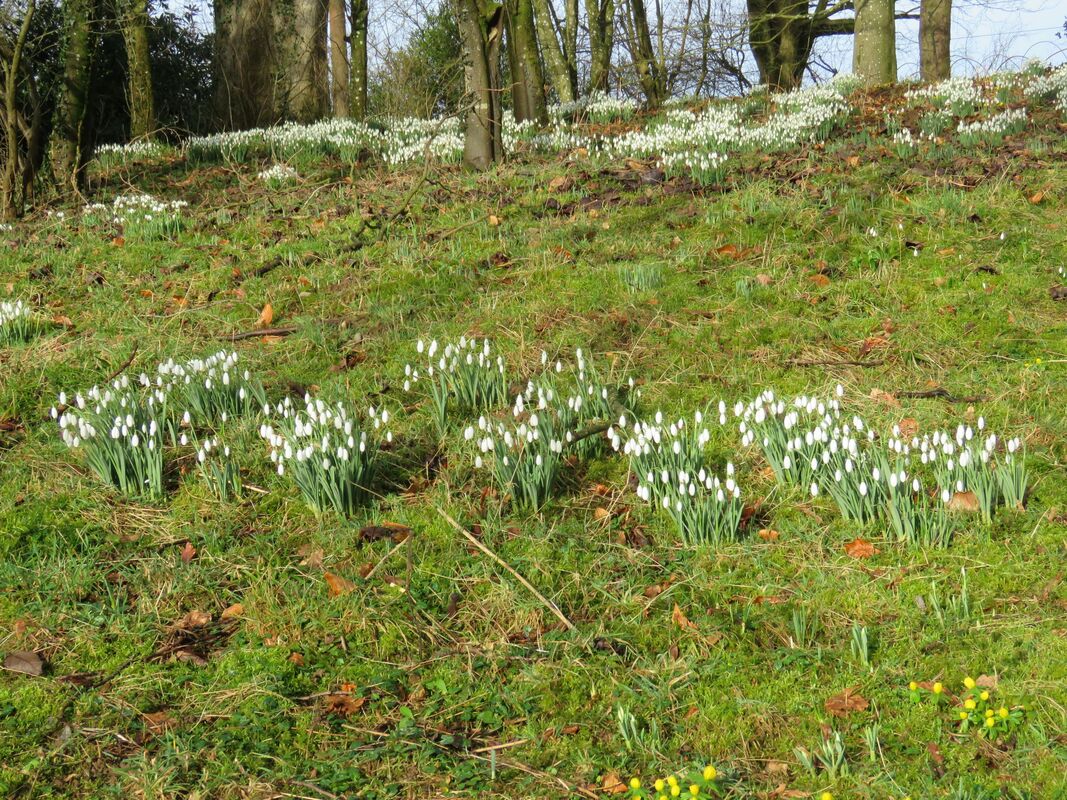
Snowdrops, Galanthus nivale Snowdrops and aconites are splendid in Sizergh gardens. Along our way are mossy banks and snowdrops with delicate green markings within the bell-shaped flower. Snowdrops cluster beneath the trees in the orchard where fieldfare ate windfalls in mid-December. A mossy stone wall has niche and crevice, as if inhabited by mice and vole, a thoroughfare for stoat. Here were dragonflies in summer. Snowdrops and aconites at Sizergh On a frosty February morning the trees are bare and sunlight pours down to the woodland floor where mosses grow bright and snowdrops appear. Snowdrops, Glanathus nivalis, the milk-white flower of the snow. Coming at Candlemass, 2nd February, they're known as Candlemass bells. In early November autumn fruits were the seasonal highlight by the lake at Sizergh. An exotic rowan (Sorbus Vilmorinii) bore a mass of pink berries. Now light penetrates through winter trees and the herb layer responds with a flourish. |
ARCHIVE
March 2026
SEARCH (top right) or refer to archive |
|
Jan Wiltshire - Cumbria Naturally
© Jan Wiltshire 2026 All rights reserved Website by Treble3
|