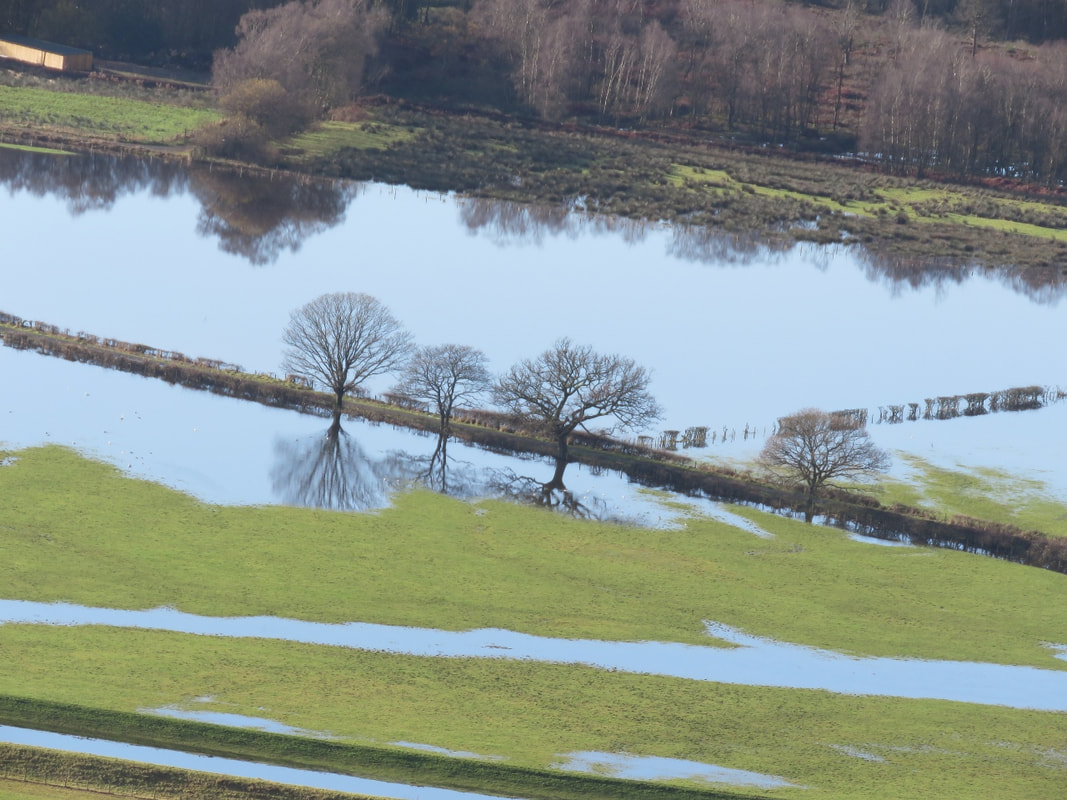
Flood water in the Lyth Valley The River Kent rises and falls fast and on the morning after the downpours the river was in spate, but flooding was localised, not apparent. We heard of homes flooded but saw nothing.
|
|
I'm a Nature writer, that's not just what I do , it is who I am. Field-craft is about looking, listening, and interpreting behaviour. It takes years of dedication. Home from an excursion, I edit images and reflect on the quality of the day, and the essence of the experience. Can my writing capture the thrill and immediacy of the moment? Sometimes, I hope so. Sometimes it's elusive. That's the challenge.
Each blog is a journal, on the day and of the day. Complete in itself, each is a
piece in a mosaic, a variation on a theme, part of the dynamic picture that is Nature.
To explore
SEARCH (top right) enter name of bird, butterfly or plant, topic or location. There will be a choice of blogs on a core subject.
ARCHIVE (dates right of page) to locate seasonal highlights. For instance, click on September 2025 to see painted ladies and humming bird hawk moth come from Africa to Sizergh Castle gardens. Some years there's an influx.
Flood water in the Lyth Valley On Countryfile, an image of flooding that startles me. It could be mine. Brigsteer, reads the caption. The Lyth Valley where flooding in Cumbria on 22nd November looks most spectacular, as it always does. The River Kent rises and falls fast and on the morning after the downpours the river was in spate, but flooding was localised, not apparent. We heard of homes flooded but saw nothing.
0 Comments
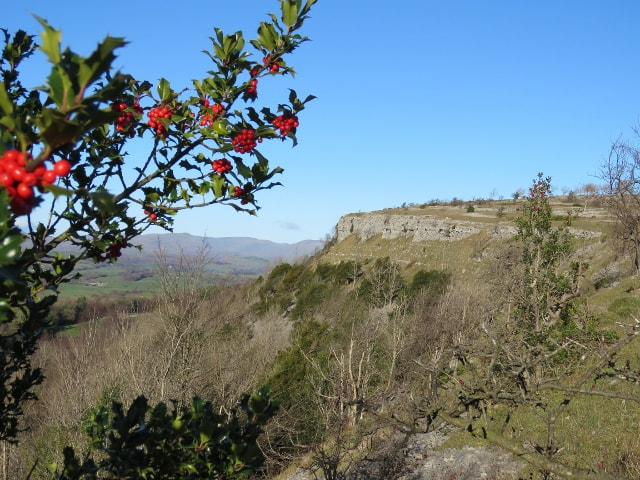
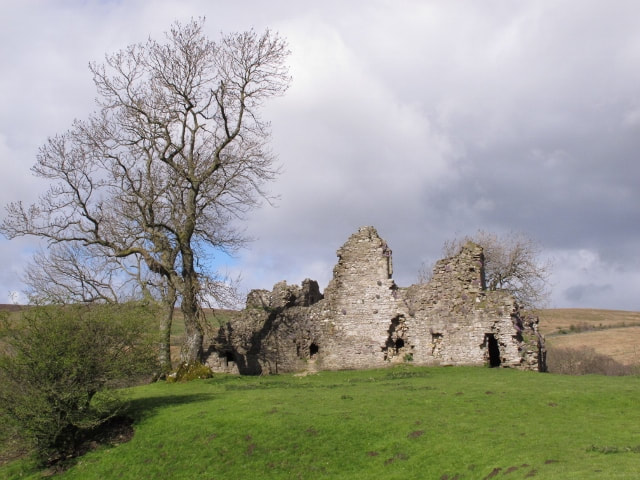
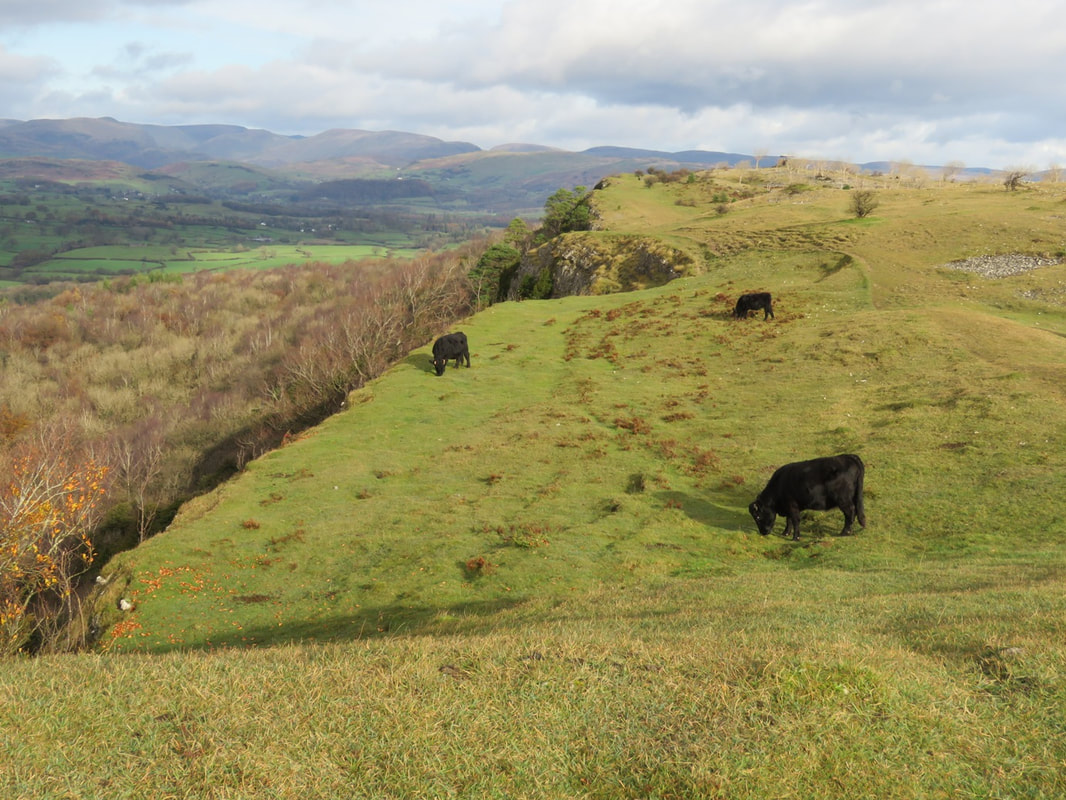
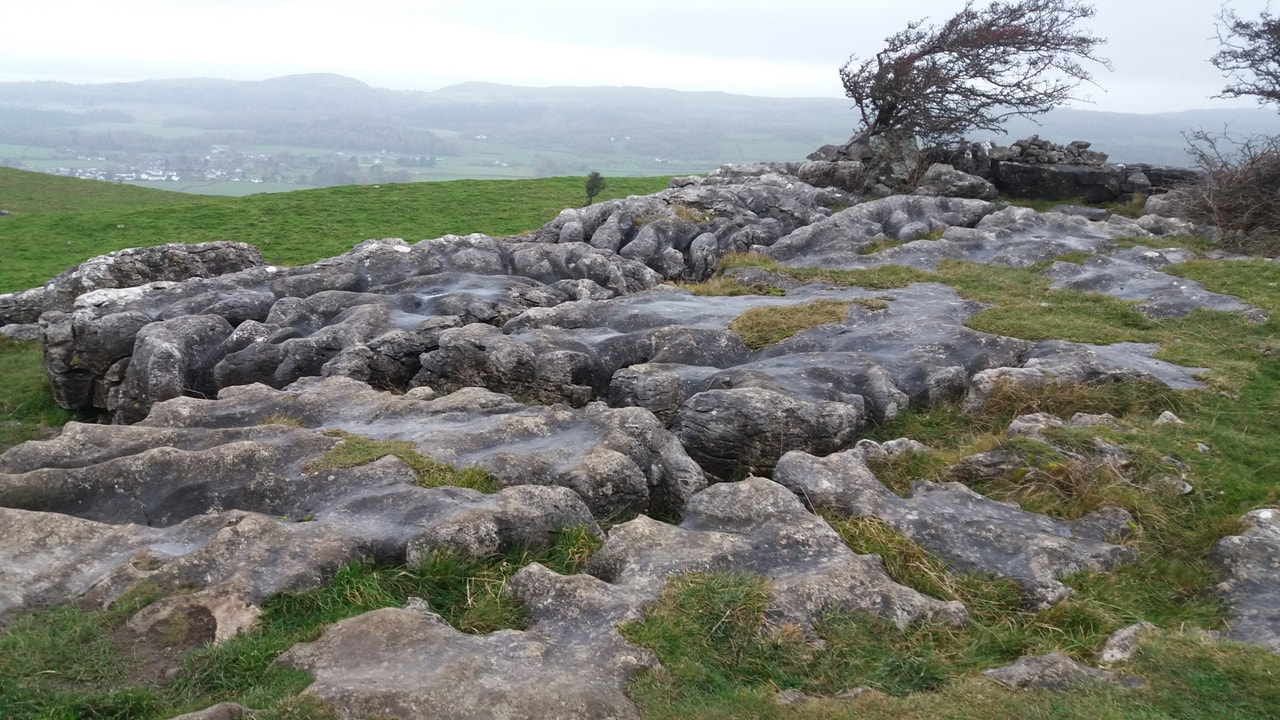
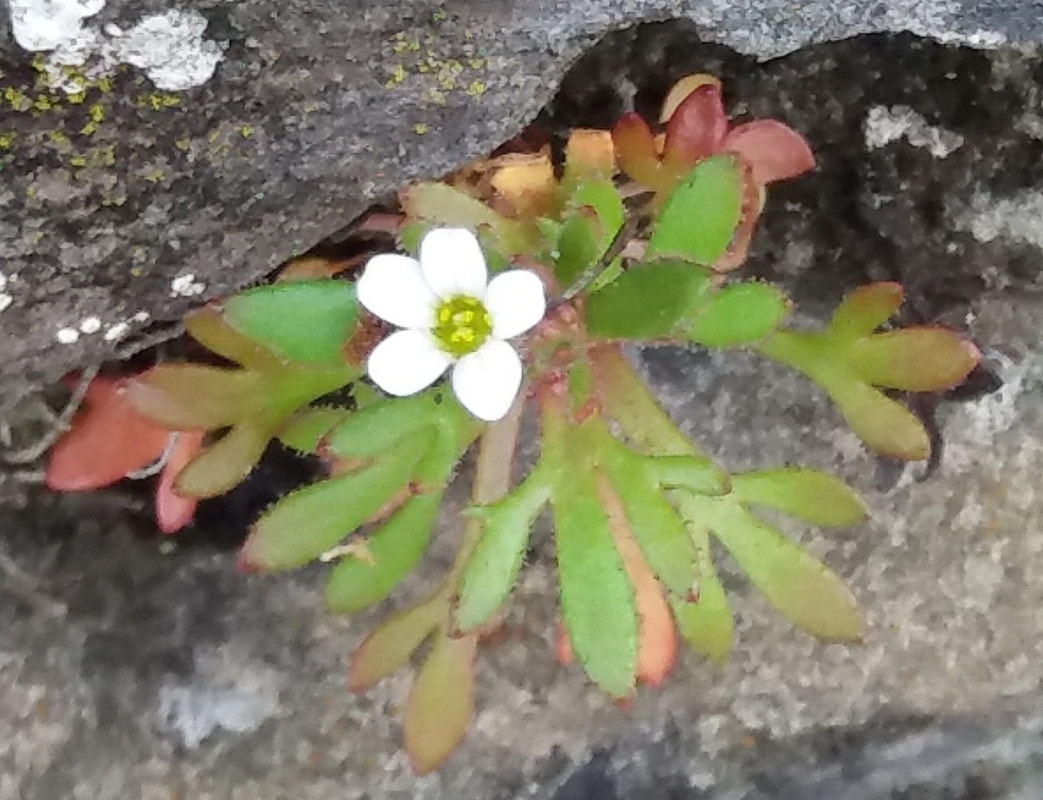
Birch at sunrise Ice pattern on a skylight window. Columns of smoke rise unperturbed over the misty town. Above the horizon, a grey cloud glows with a border of gold and a rosy flush tells of sunrise. Here comes the sun. Water droplets shimmer on fine branches of birch. My cameras see differently but neither can catch those tiny points of light . Rue-leaved saxifrage, Saxifraga tridactylites, Queen Road Herdwicks and Hebrideans graze in the pasture below Queen's Road, beside fruit trees from an old orchard. Pastoral at my feet, Kendal down in the dale, and the fells in the distance. So glad to have met the proud owner of these tups, here to promote flora and conservation grazing. The old wall bounding the pasture is crammed with ferns and lichens. And the exquisite little rue-leaved saxifrage which flowers after rain, and can appear in April and May. 12 November, Scout Scar escarpment Two days ago, a flock of thirty fieldfare flew calling above Scout Scar escarpment, the sun glinting their pale underwings. I could hear them somewhere in the trees below the cliff but the wind grew loud and drowned them out. Fieldfare on a fine November morning, if I can find them. Ten years ago I watched a flock foraging on yew berries on the cliff buttress, a pale flutter of wings against dark yew foliage. Holly and hawthorn berries might tempt them, so I'm tracking their food sources looking for winter thrush. Pendragon Castle Looking for Lady Anne Clifford, we discovered John Behan's Ghost Boat 2000. Months later, I realised his inspiration was the Broighter Hoard of Iron Age treasure in the National Museum of Ireland. Search online for Lady Anne, The Great Picture and zoom-in on tiny manuscript. ' She escaped a great danger by thieves who intended to rob her and her house. This countess had many enemies in the time of her new widowhood from whose evil and crafty devices it pleased God to deliver her.' In her youthful portrait a scatter of books shows her taste. Welsh Blacks, Scout Scar escarpment The culprits had scarpered. But there was poaching, heavy poaching. Fresh cow pats told of their presence. And deep slop and cloven-hood prints where two months ago there was a firm grassy footpath. The poaching culprits of cloven-hoof. Had they gone, or were they lurking in hidden hollows? Today, I could relax and be merry. I crossed Kendal Race Course escorted by a man stout of heart who knows a thing or two about cattle, a gentleman-farmer. Limestone pavement on Hampsfell An evocative day from Cartmel with hazy glimpses of the sea from Hampsfell. We walk part of the Cistercian Way, mindful of the monks travelling to Cartmel Priory. Medieval monks would scarcely recognise the place today, but there is solitude up on Hampsfell at Halloween. My find of the day is swags of black bryony festooning the hedgerows. The best I've found this autumn. |
ARCHIVE
March 2026
SEARCH (top right) or refer to archive |
|
Jan Wiltshire - Cumbria Naturally
© Jan Wiltshire 2026 All rights reserved Website by Treble3
|