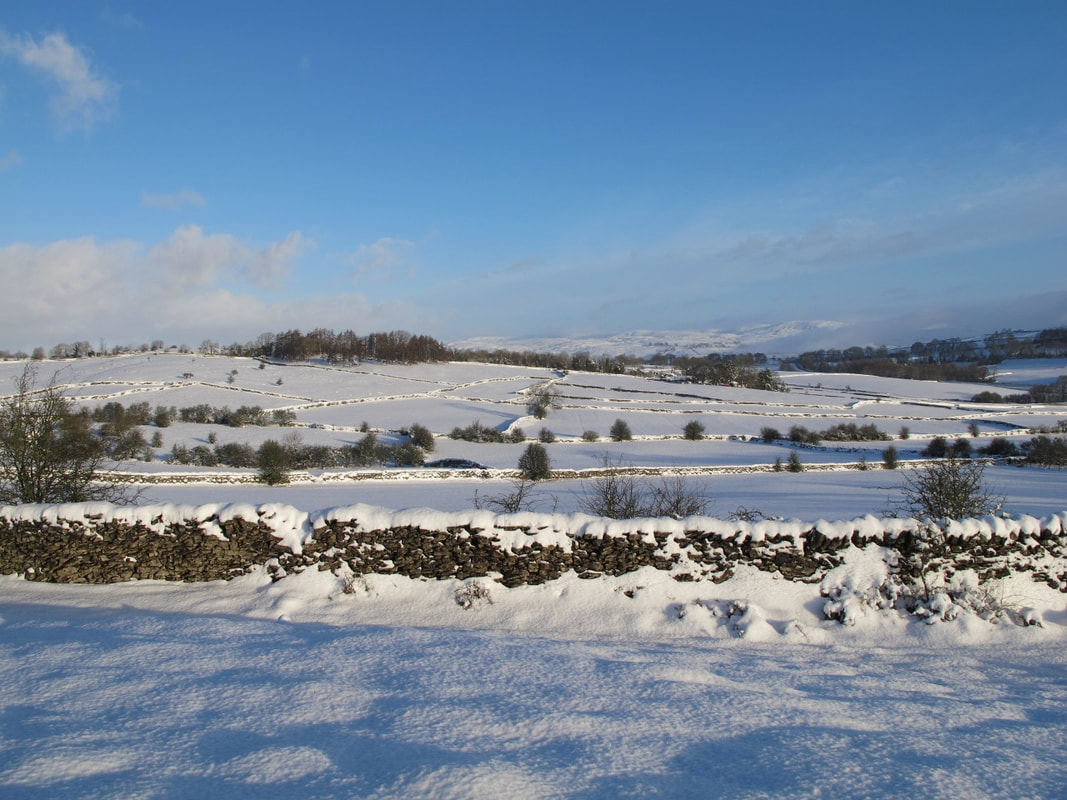
 Field-walls highlighted
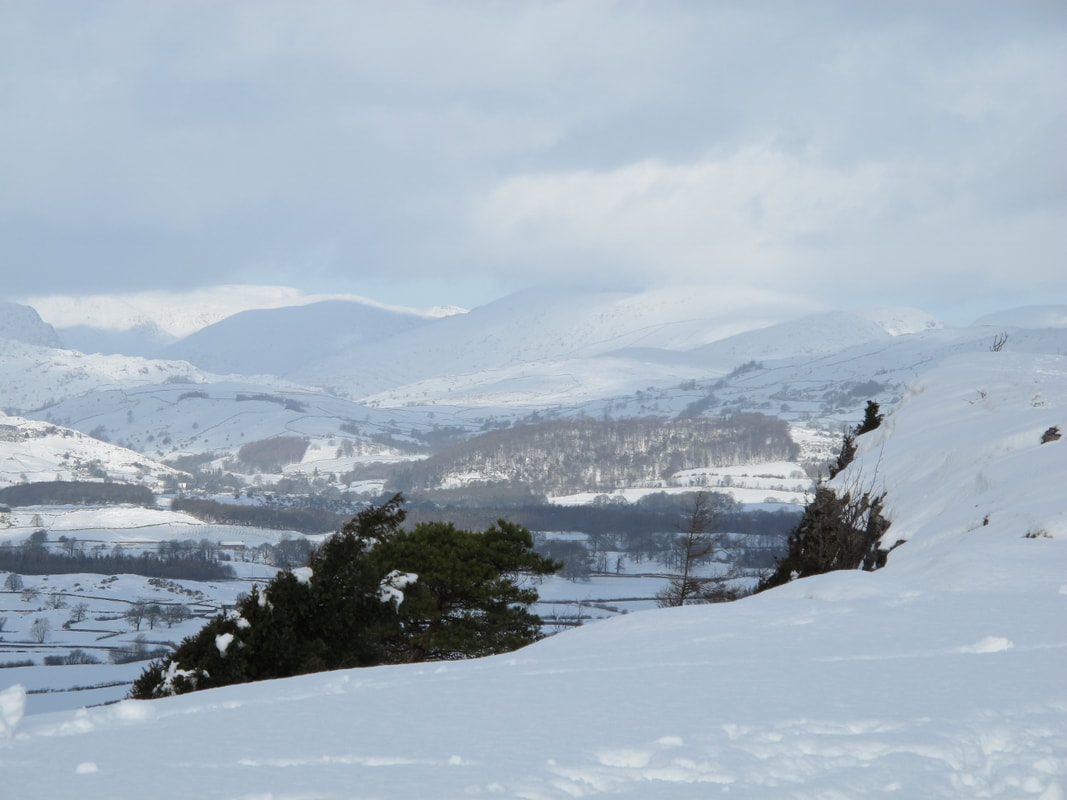
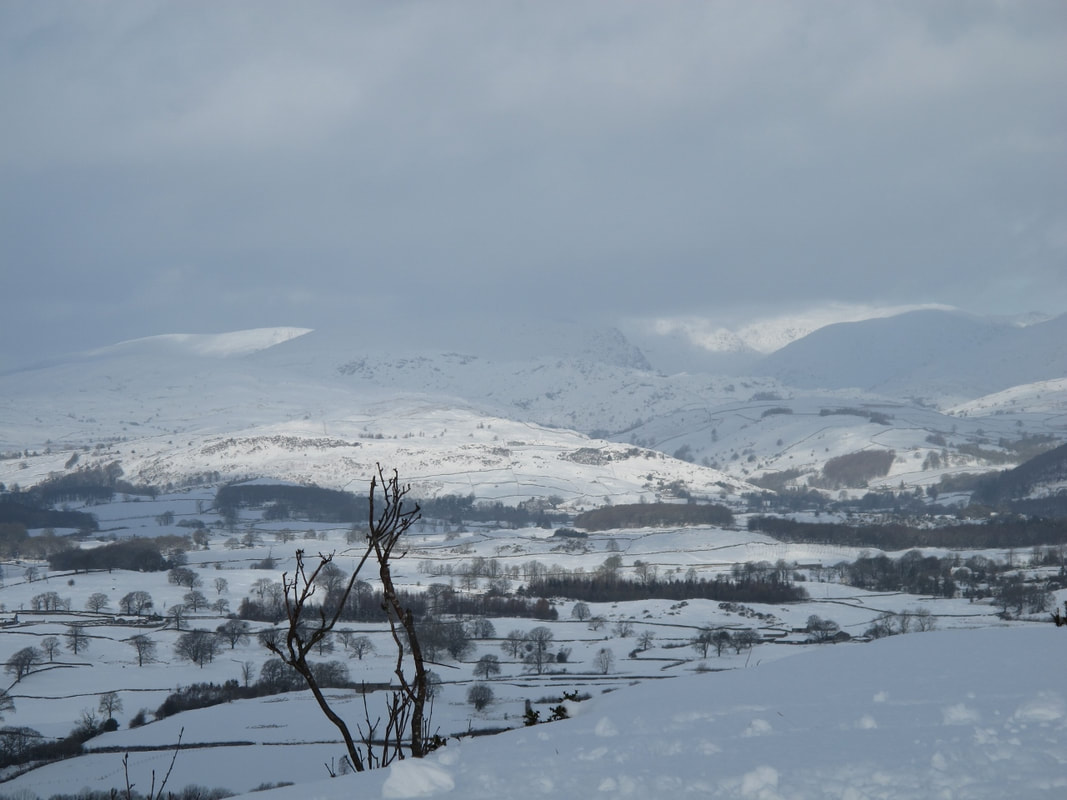
 Time for High Arctic wellies. Snow has come as a warm front rolled in off the Atlantic on a South West wind and met colder air sitting over Cumbria. Overnight snow has capped the stone walls, piling in drifts against the broader base. Sunlight melts the snow on the top-stones and a layer of gleaming water defines a network of pastures.
Virgin snow, and I stride out for Scout Scar with a sense of adventure. Raven and buzzard over the escarpment. Small mammal tracks in the snow, I wonder how wildlife will feed in this depth of snow.
Virgin snow, and I stride out for Scout Scar with a sense of adventure. Raven and buzzard over the escarpment. Small mammal tracks in the snow, I wonder how wildlife will feed in this depth of snow.
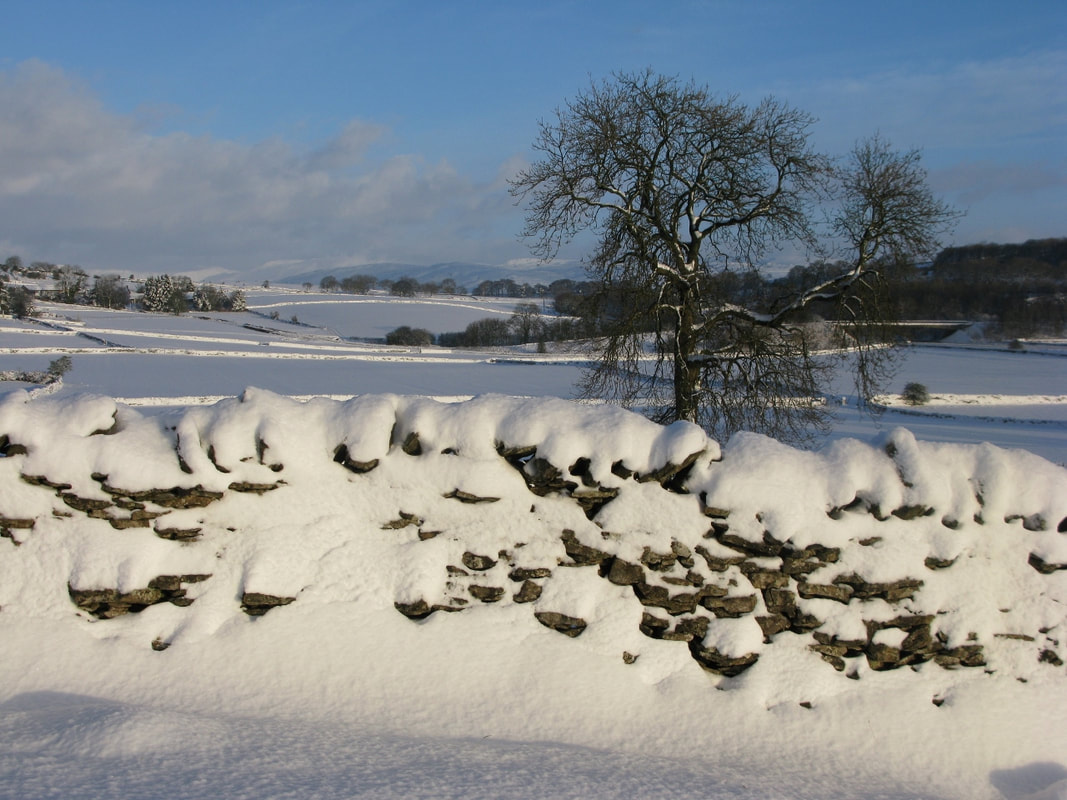
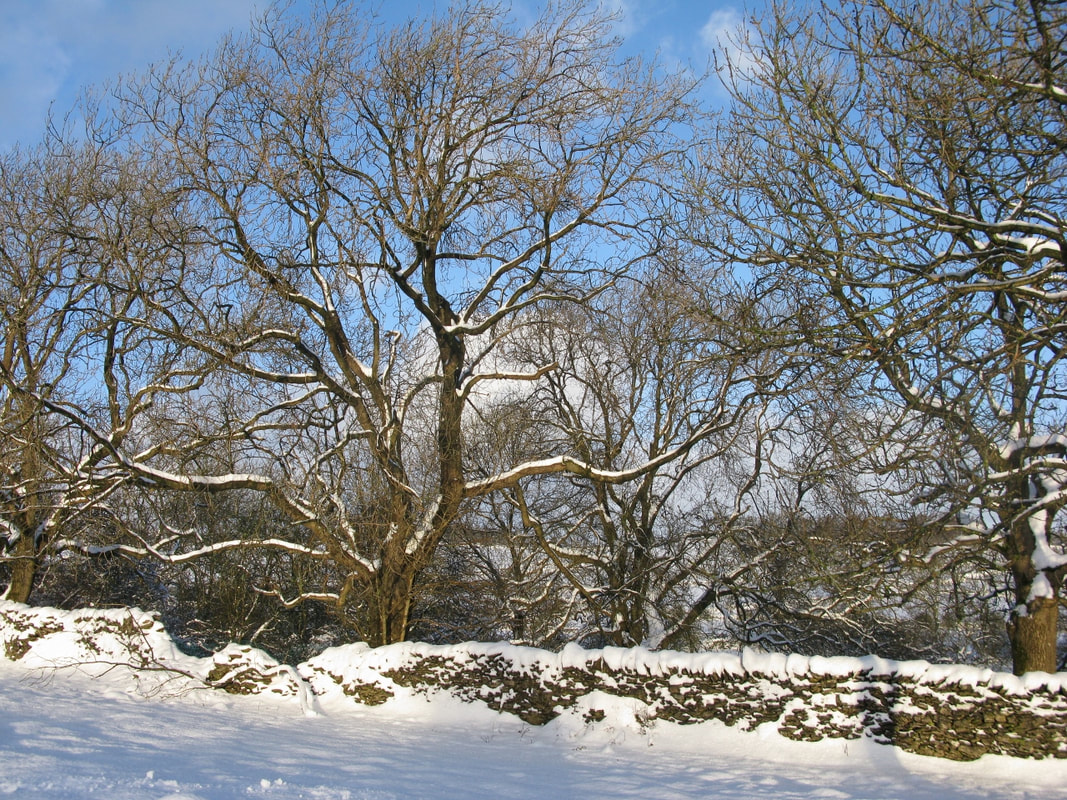
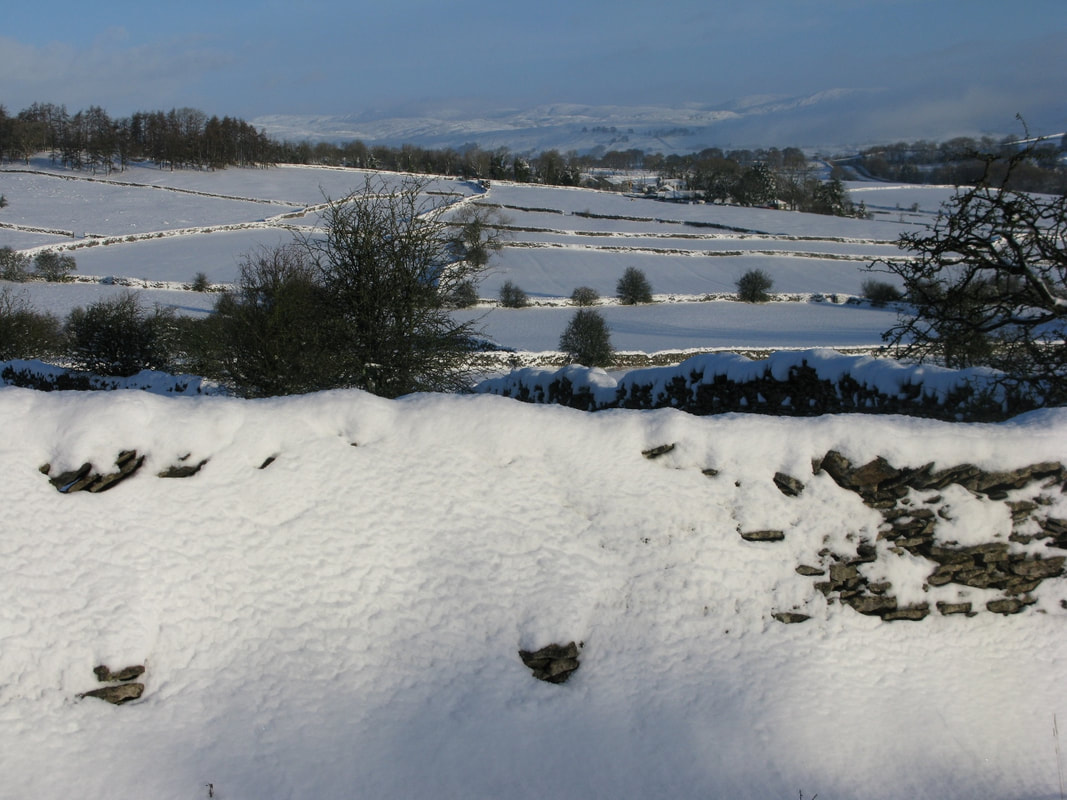

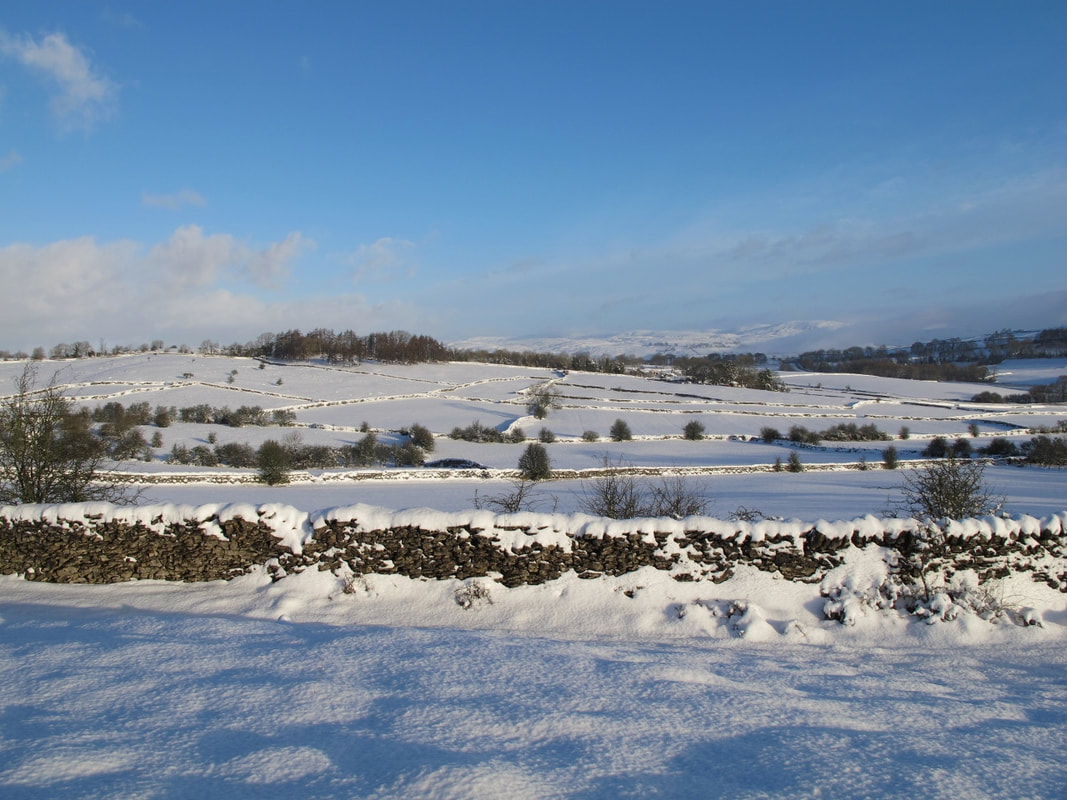
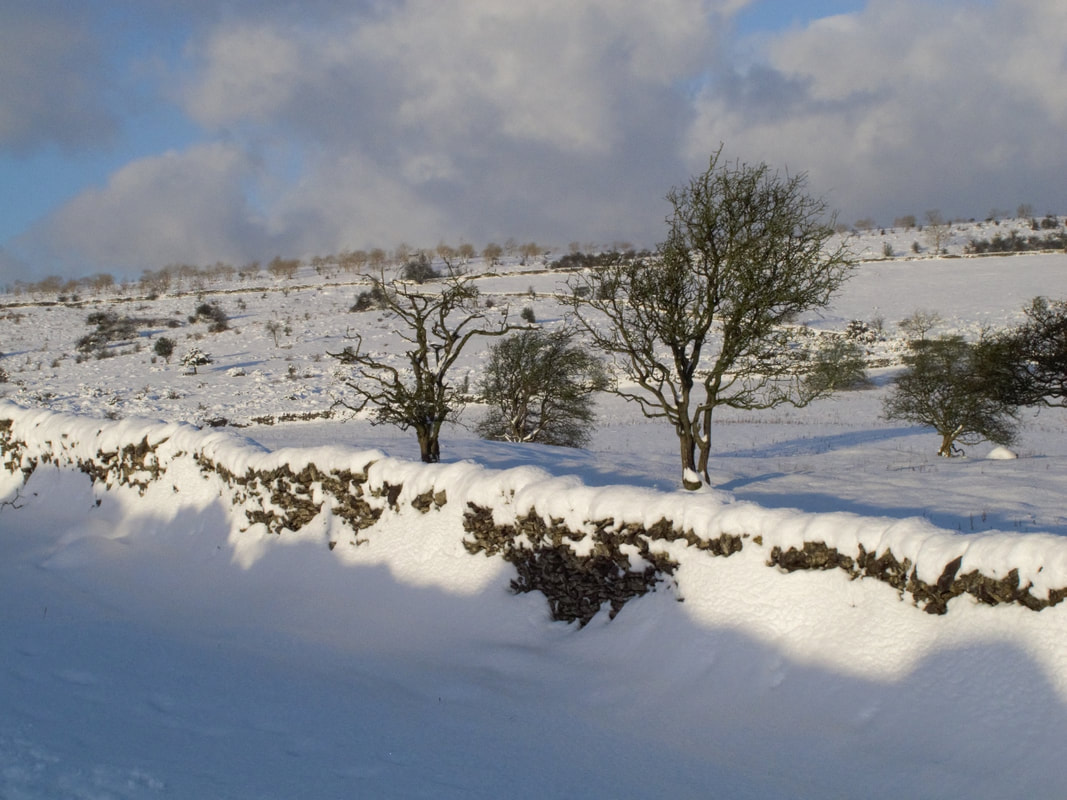
The first and only time I've seen this effect of a layer of gleaming water highlighting the top-stones of the network of field-walls. Above Scout Scar, the sky is a dome of blue. But the snowy fells dissolve in cloud and shadow. Shots echo in the woods and a hunting horn sounds. A sporting day out for these huntsmen in the snow, and if they fail to beg pheasants they won’t go hungry. Unlike Breughel’s huntsmen and dogs who have an air of despondency about them. They stand looking down on their village, come home safe from the harshness of winter. But without food. In 1560 Breughel could not foresee over a century of punishing winters that we know as The Little Ice Age. And the Netherlands had the Spanish occupation to contend with.
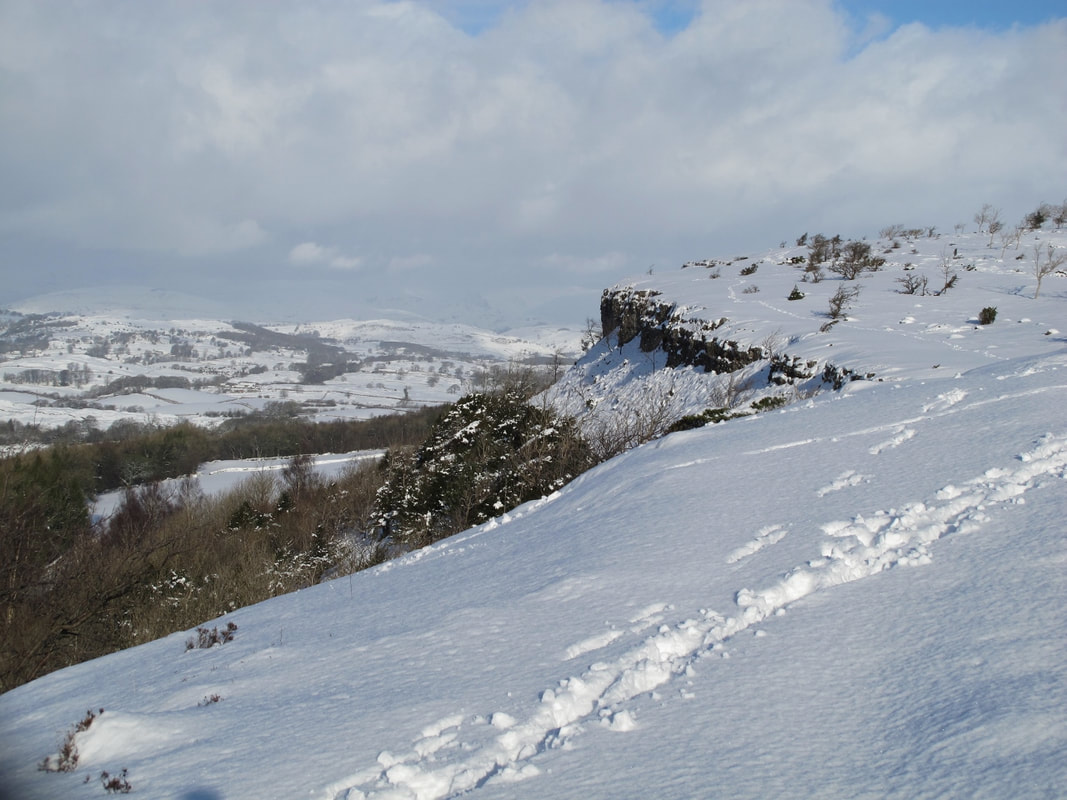

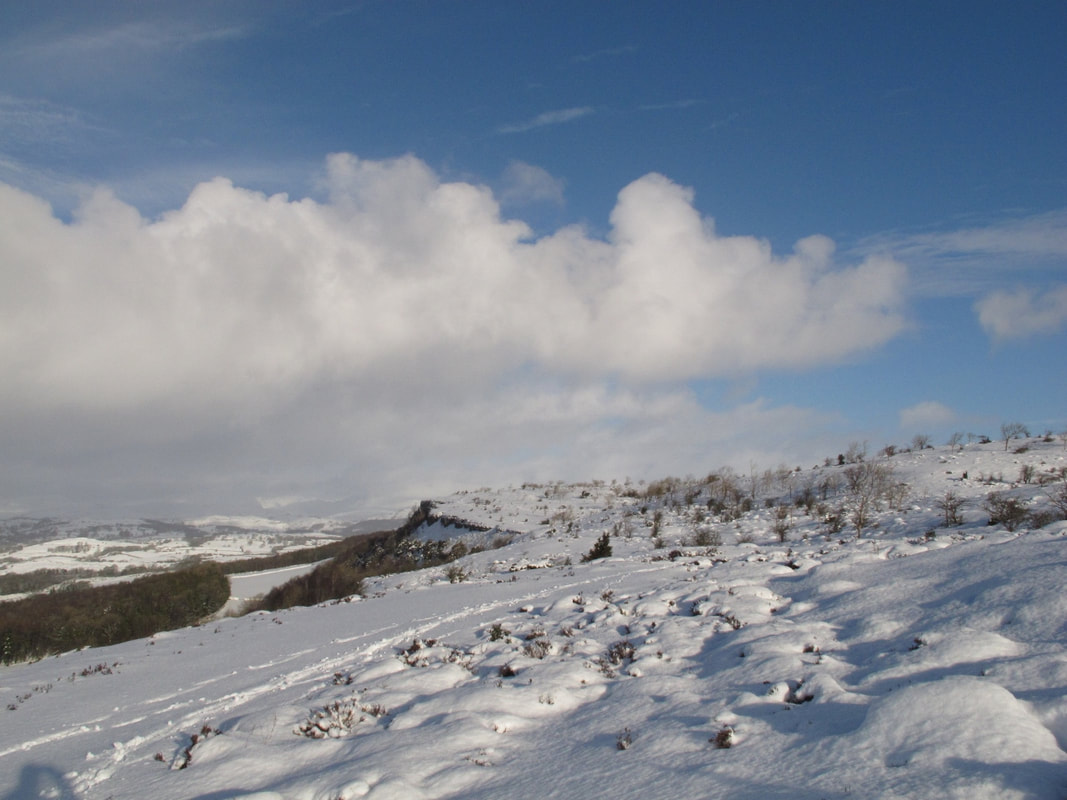
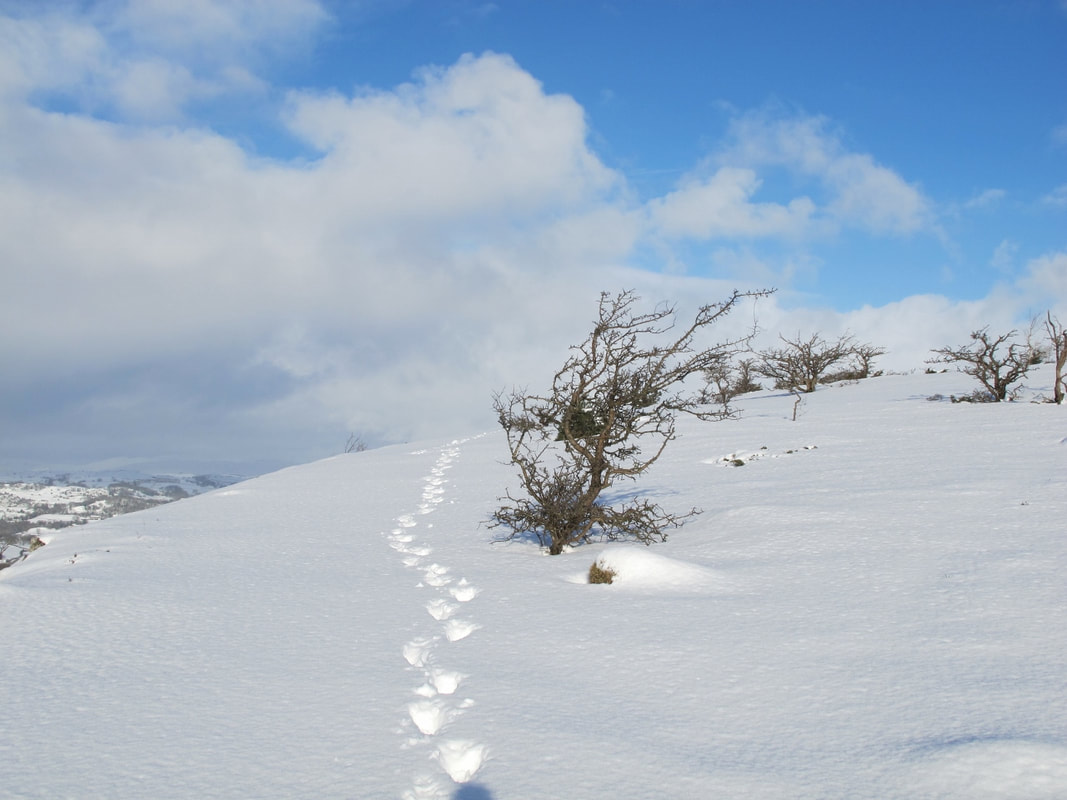
Footsteps in fresh snow. Snow is low-density crystals, and the pressure of footfall compacts the snow and turns crystals to ice whose translucence reflects the light. I had been reading Robert McFarlane’s The Old Ways, which concludes with Neolithic and Mesolithic footprints being exposed on the Formby shore. Footprints that are destroyed by the next storm, the next high tide. Scout Scar was virgin snow, gradually imprinted as the first runners and walkers arrived. It was strange following a clearly defined journey and footprints which became interwoven with others, trampled and compressed into an easy channel in compacted snow. Anonymous tracks.

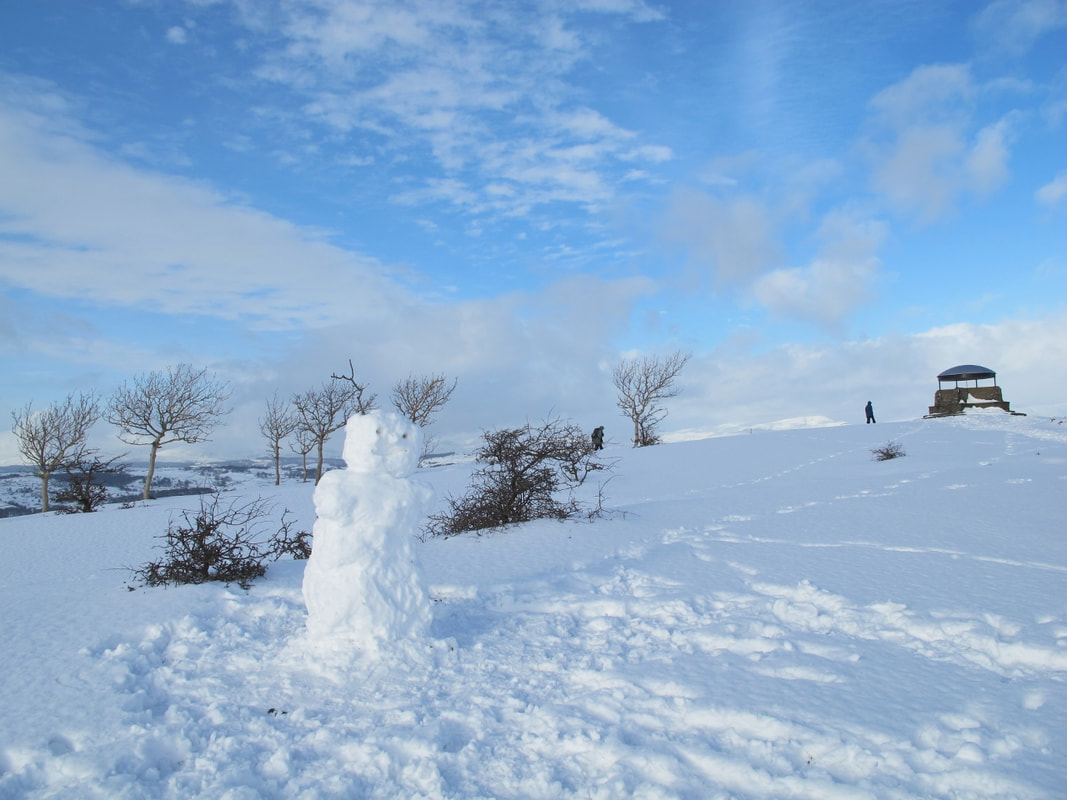
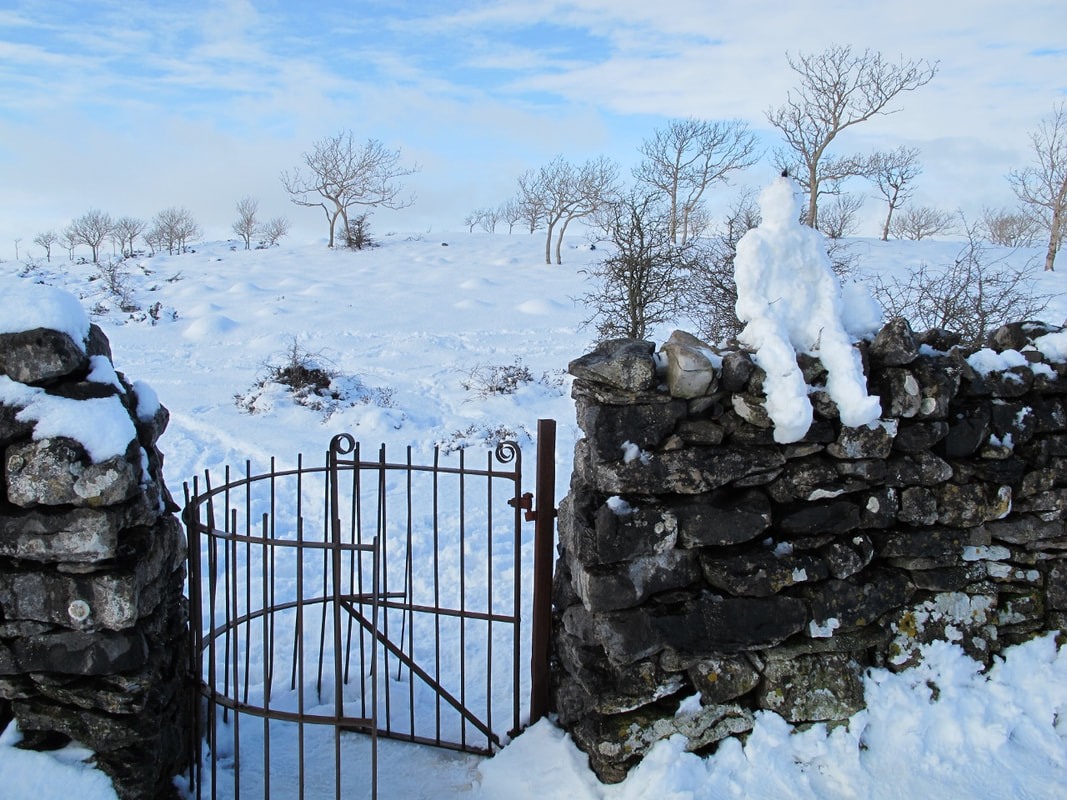
Snow hushes a landscape but that wonderful silence is lost as snowcrystals compact under their own weight, changing the acoustic property of light and airy snow. Surface snowcrystals melt and refreeze, in a crust that rasps to the touch. Snow is not white. And from the moment hands pack gathered snow hard into the body of the gleaming snowman he is no longer snow. Sturdy and solid, he is iceman .
 RSS Feed